Managing Chronic Health Conditions in Schools

Written by Rachel Kauffman, Content Marketing Coordinator at DocNetwork
November is American Diabetes Month and National Epilepsy Awareness Month, a seasonal reminder of the chronic health conditions that impact today’s youth. According to the CDC, more than forty percent of K-12 students have at least one chronic health condition.
Children with chronic illness need a solid support system at home and at school to navigate symptoms, treatment, and side effects of their conditions. Learn what role school nurses play in chronic care management and how electronic health record software can help.
Most Common Childhood Chronic Diseases
A chronic disease is a health condition that lasts a year or longer and requires ongoing medical attention, limits daily life, or both. Chronic conditions can be physical, neurological, or mental.
Five of the most common childhood chronic diseases are:
- Asthma: can be intermittent or persistent and is triggered by everyday factors like pollen, exercise, or cold weather.
- Diabetes: type 1 is an autoimmune disorder and is more common in kids while type 2 is a metabolic condition.
- Epilepsy: seizures stemming from a specific, general, or unknown origin in the brain and body.
- Obesity: categorized based on the body mass index, beginning at or above the 95th percentile.
- Allergies: reactions to the environment, seasonal changes, certain foods, animals, or other elements.
Each condition requires awareness, observation, and proper training to manage. Students with asthma need quick access to inhalers, especially during PE class, recess, athletic events, or on field trips. Diabetic students may need blood sugar checks, insulin, or snacks throughout the school day while students with allergies may need epinephrine to manage reactions.

Caring for Children with Chronic Illness at School
Chronically ill children miss school at higher rates than their peers due to flare ups or medical appointments — asthma alone accounts for 10 million missed days of school annually. School nurses can help reduce absenteeism by providing consistent care and helping students manage their conditions throughout the school week.
Here are six ways school nurses and health staff can care for children with chronic illness:
1. Review medical information early.
Collect students’ health forms digitally with electronic health record (EHR) software so you can review them before the first day of school and know which students have chronic conditions. This gives you ample time to speak with families about any concerns or specialized care plans.
2. Analyze the numbers.
Pull reports from your EHR software to identify students with type 1 diabetes or asthma at your school, for example. This can help you get buy-in for diabetes education programs, proper ventilation on campus, and other resources.
3. Communicate early and often.
Share treatment notes, updates, and concerns with parents or guardians in real-time using a FERPA- and HIPAA-compliant system like SchoolDoc. Email is not a secure communication method and should not be used to share protected health information.
4. Track medications digitally.
Use an electronic medication administration record (eMAR) to chart medications and get notified about upcoming, missed, or empty doses.
5. Stock up on medical supplies.
Check your state requirements on stock epinephrine and albuterol, and make sure student-specific medications and supplies are on hand for emergencies.
6. Raise awareness.
Acknowledge health observance months to educate your school community about chronic diseases. Teach students and staff how to care for their fellow students by recognizing signs of seizures, staying home when sick, and avoiding unnecessary allergens in the building.
Coordinated Care is Key
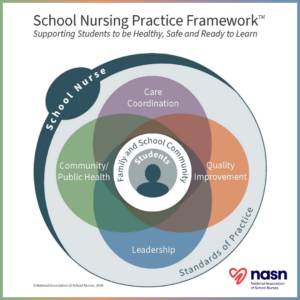
Chronic disease care goes beyond the health office. Care coordination is a key tenet of the National Association of School Nurses (NASN)’s School Nursing Practice Framework™ and can help students feel supported at every angle — physically, emotionally, and socially.
Children with chronic illness may feel stigmatized or isolated and act out at school in response. With epilepsy, for example, seizures can impact students’ mental and social health and lead to behavioral problems in the classroom. School counselors and nurses can work together to help students cope with their illness and find belonging at school.
Nurses can also partner with pediatricians and families on action plans for specific conditions like asthma or diabetes in schools. For students with type 1 diabetes, a Diabetes Medical Management Plan (DMMP) is crucial to outline daily care protocols, self-management steps, and emergency response. The plan can be stored in the student’s health record for easy access, consistency, and confidentiality. If a student participates in sports or after school activities, the plan can be shared with coaches and program leaders with the right permissions so everyone is on the same page.
Chronic Care Management Tools
Managing chronic conditions in schools requires planning, communication, and teamwork. EHR software can help school nurses and health staff log treatment notes, track medications, and store action plans based on each student’s medical needs. SchoolDoc enables cross-functional care with multi-user access, role-based permissions, and built-in communication tools.
To learn more about how SchoolDoc can support chronic care management, read our buyer’s guide.
1,250+ programs nationwide choose SchoolDoc. Fill out the form to get in touch with our sales team.
Schedule a Demo Today!
Complete the form to find out why more than 1,250 programs nationwide choose SchoolDoc.
Schedule a personalized walkthrough.